

Homeowner DIY Electrical Safety Checks — What You Can (and Should) Do Yourself
Living in a home doesn’t make you an electrician — but there are a few basic safety checks you can and should be doing regularly to keep your household safe. These aren’t about doing your own wiring (don’t!) — they’re about being proactive with the simple, legal checks that help identify issues early, before they become dangerous or expensive.
Here’s a list of simple electrical safety checks we recommend every Melbourne homeowner perform — whether you’re in Croydon, Bayswater or out in Warrandyte — that take just a few minutes and don’t require any tools beyond what’s probably already in your kitchen drawer.
1. Test Your RCDs (Safety Switches) — Every 3 Months
That little “Test” button on your switchboard? It’s there for a reason. Your RCDs (Residual Current Devices, or safety switches) are designed to cut power fast in the event of a fault — typically within 30 milliseconds — protecting people from electric shock.
How to test:
- Go to your switchboard.
- Press the ‘Test’ button on each safety switch.
- It should trip immediately, cutting power to that circuit.
- Reset it by flipping it back to the ON position.
If the switch doesn’t trip when you press the button — or doesn’t reset — call us. That’s a fault that needs to be sorted by a licensed electrician.
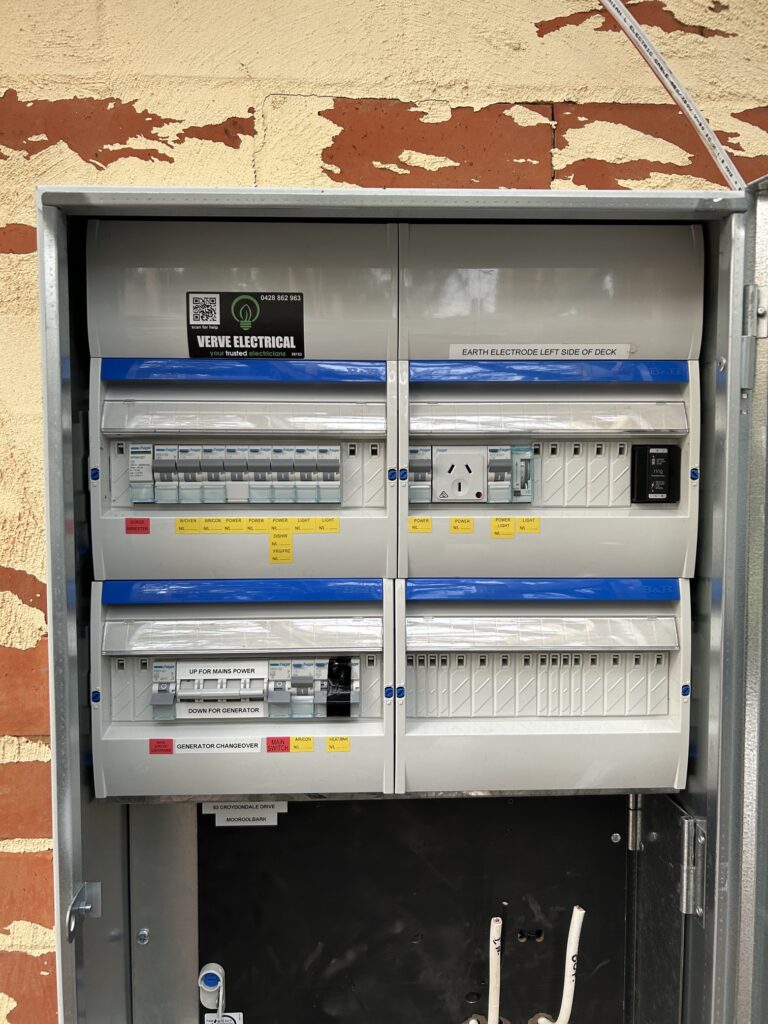
TIP: Add a reminder to your calendar every 3 months to stay on track. We also recommend you test immediately after a major storm or lightning strike, just to be sure.
Need your switchboard inspected or upgraded? Learn more here
2. Check Your Smoke Alarms — Monthly
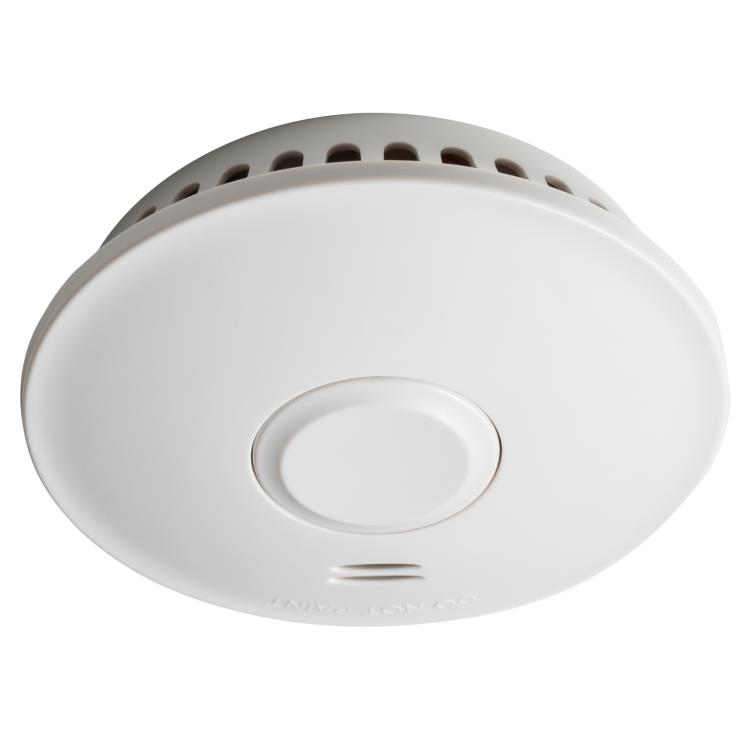
Smoke alarms save lives — but only if they work. You should have interconnected photoelectric smoke alarms in every sleeping area, hallway and each level of your home. Older homes may still have standalone or ionisation units, but these are well out of date.
What to do:
- Press the test button on each smoke alarm monthly. It should emit a loud tone.
- Clean your smoke alarms with a vacuum every few months to remove dust and cobwebs.
- Replace batteries annually, even in hardwired units (most have a backup battery).
- Check the manufacture date on the side — if it’s more than 10 years old, replace it.
TIP: If your alarm beeps regularly, it’s not broken — it’s telling you something’s wrong. Could be a low battery, could be dust, could be the end of its life.
3. Look for Hot or Discoloured Power Points
Feel the power points and light switches in use — especially if they’re running heaters, kettles or other high-draw appliances.
What to check for:
- Warm or hot faceplates
- Yellowing or brown scorch marks
- Buzzing noises when in use
- Plugs that feel loose in the socket
All of these signs can point to worn-out terminals or overloaded circuits — both of which are fire hazards. Don’t delay on these. Get them replaced.

We handle outlet replacements and rewires — read about our general services
4. Take a Peek in the Roof or Under the House (If Safe)
Not always fun, but occasionally taking a look in your roof cavity or under-floor area can reveal a few red flags, especially in older homes.
ALWAYS TURN OFF YOUR MAIN SWITCH BEFORE ENTERING YOUR ROOF CAVITY OR CRAWLING UNDER THE HOUSE.
What you might spot:
- Exposed or brittle wiring (rubber insulated cable especially)
- Rodent damage (chewed cables or droppings near wiring)
- Loose junction boxes or splices
NOTE: Never move or disturb electrical cabling yourself. If something doesn’t look right, call us first. We often find DIY work or ancient cabling that’s long past safe.
5. Trip Switch Puzzle? Label Your Circuits
If your switchboard trips and you don’t know what’s what, it can be a mad scramble.
Check this:
- Are all the breakers and RCDs clearly labelled?
- Do the labels still reflect your current home layout? (Kitchens and bathrooms get renovated. Labels don’t always keep up.)
Use a plug-in appliance like a lamp and methodically switch each circuit off and on to identify what it controls — then label it. This helps massively during a fault, and it’s something you can do yourself.
Need help interpreting what’s on your switchboard or updating it to something newer? Check out our switchboard upgrades page
6. Don’t Ignore the Hum or Flicker
- Buzzing lights could mean an issue with the fitting or the neutral wiring.
- Flickering LEDs might suggest a faulty driver, poor connection, or overloaded circuit.
- Tripping breakers could be a faulty appliance or an undersized circuit.
These signs often come up before something fails completely — so treat them as a warning, not a quirk.
Bonus: Check Outdoor Cabling and Power Points
If you’ve got outdoor power points, security lighting, or garden lights:
- Make sure the outlets are sealed and weatherproof.
- Look for cracked covers or exposed cable.
- Check that they trip properly on your safety switch when tested.
External fittings degrade faster than indoor ones, so these deserve a quick look every few months — especially in places like Warrandyte or Lilydale where heavy rains and possums are frequent visitors.
We also install weatherproof outdoor lighting and outlets — see our security lighting services
When To Call In A Pro
DIY safety checks are just that — checks. If something fails, isn’t clear, or looks off, don’t touch it. Call us for:
- Smoke alarm replacement or upgrades
- Fault-finding and circuit testing
- Power point or light fitting replacements
- Full safety checks or electrical audits and more…
We work across Melbourne’s eastern suburbs, including Ringwood, Croydon, Bayswater, and beyond. If you’re unsure, just ask. Better safe than sorry — and cheaper than waiting for a fault to become an emergency.
Learn more about our Emergency Callout service
Need help with any of these checks? Contact us today — or save this post and set a reminder to do your next round in three months.