

Are Ceiling Fans Outdated? Not Even Close.
Ceiling fans have been a staple in Australian homes for decades — and for good reason. But with air conditioning becoming more accessible and popular, some people ask whether fans still have a place in a modern home.
The short answer is: yes, absolutely. And in many cases, they should be the first thing you install.

Why People Still Choose Ceiling Fans
1. Running Costs are Tiny
Ceiling fans use far less electricity than air conditioners — typically between 15 and 90 watts depending on the model, versus up to 2,000 watts for a split system running in cooling mode. That means you can run a fan for hours without worrying about your power bill. In fact, pairing your ceiling fan with your AC is one of the best ways to reduce your cooling costs.
2. They Actually Work
Ceiling fans don’t cool the air, but they do cool you down. By moving air across your skin, they enhance evaporation of sweat and create a cooling effect that makes the room feel around 3–4°C cooler. That’s often enough to avoid turning on the air con altogether.
3. New Styles Look Great
Gone are the days of noisy fans with wobbly timber blades. Modern ceiling fans come in sleek, low-profile designs, often in black or white to match your home’s style. DC motor fans are quiet, efficient, and come with remote controls, timers and reversible modes.
4. Winter Use: Reverse Mode
Most good fans now include a reverse switch, which pushes warm air downwards. That makes them useful in winter too — especially in homes with high ceilings or open-plan layouts. It’s a small trick, but it improves heating efficiency and reduces how often you need to fire up the ducted or split system.
Fan vs Air Conditioner — Why You Should Have Both
In Melbourne’s climate, we suggest using ceiling fans to extend your comfort zone. In summer, a fan can make 28°C feel like 24°C — without the need to blast the AC every day. And in shoulder seasons like spring or autumn, fans often eliminate the need for cooling altogether.
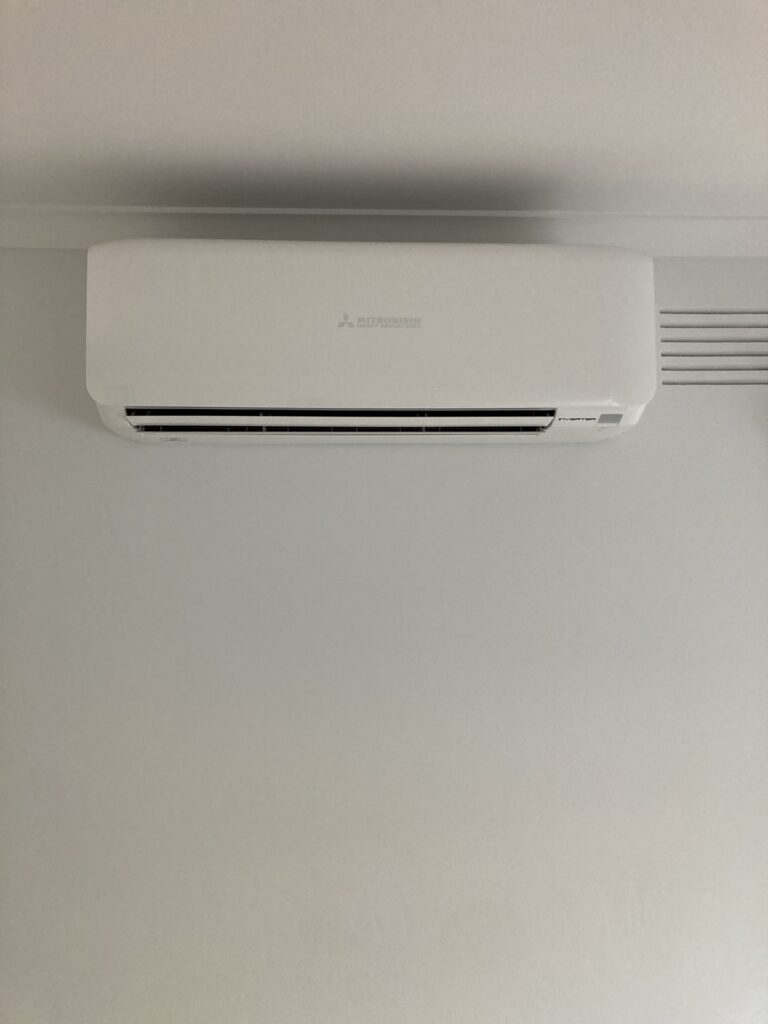
And if you’re already using air con? A ceiling fan allows you to run it at a higher temperature setting, reducing energy consumption.
Fan Tech is Better Now
Today’s ceiling fans aren’t what they used to be. Some improvements worth mentioning:
- DC motors: 70% more efficient than traditional AC fans, and near silent.
- Integrated lighting: Combos that replace older oyster fittings or central lights.
- Smart controls: Optional wall controllers, remotes, or integration with home automation.
- Outdoor ratings: Fans that can handle alfresco areas, patios or even bathrooms.
Check our Ceiling Fans page if you’re looking for a reliable installation in the eastern suburbs.
When NOT to Install a Ceiling Fan
Of course, there are cases where ceiling fans may not be suitable:
- Low ceilings: If the clearance between your floor and ceiling is under 2.4m, it may not be legal (or safe) to install a fan.
- Tiny rooms: Small bathrooms or pantries don’t benefit much from airflow.
- Rooms already heavily ventilated or air conditioned: If your home uses hydronic or underfloor heating, ceiling fans won’t add much value.
But these are the exceptions, not the rule.
Our Verdict
Ceiling fans aren’t a relic of the past — they’re a quiet achiever that modern homes still benefit from. Whether you’re building, renovating or looking to save on your summer cooling bills, we still recommend installing fans in bedrooms, living areas and outdoor entertaining spaces.
Need help choosing a model? Or unsure whether your ceiling can handle a fan? We can help. We’ve installed fans throughout Melbourne’s south east, including newer estates in Lilydale and Warrandyte, as well as older weatherboard homes in Ringwood and Bayswater where the wiring might need updating first.
